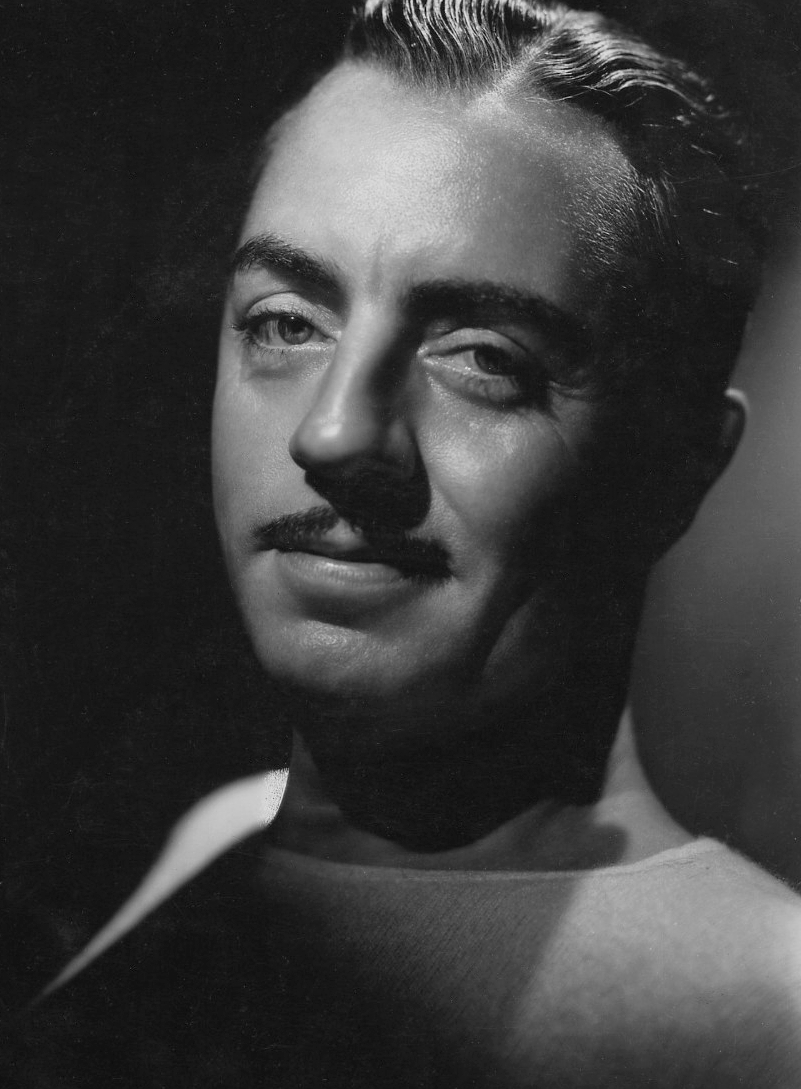
From Broadway to Hollywood Stardom: The Genesis of a Fortune
William Powell, an iconic name synonymous with wit, charm, and sophisticated performances from Hollywood's Golden Age, left behind more than just a remarkable filmography. His journey from the bustling stages of Broadway to becoming one of Tinseltown's most beloved actors also paved the way for an impressive financial legacy. While many actors of his era focused solely on their craft, Powell demonstrated a foresight and business acumen that allowed him to build substantial wealth, culminating in an estimated net worth of around $100 million by modern valuations.
Born in 1892, Powell's acting career commenced in the early 1910s, with formative experiences in stock companies and on Broadway. These initial years honed his dramatic presence and comedic timing, skills that would prove invaluable on the silver screen. His pivotal breakthrough arrived in 1929 with The Canary Murder Case, a role that not only marked his transition to Hollywood but also set the stage for a career filled with memorable performances, most notably as Nick Charles in The Thin Man series alongside Myrna Loy. This success in Hollywood formed the bedrock of William Powell's accumulating wealth.
However, understanding the full scope of William Powell's financial standing requires looking beyond his acting salaries. His enduring financial success, reflected in the latest estimates positioning his fortune at William Powell's net worth at $100 million as of 2025, is a testament to a multifaceted approach to wealth accumulation.
Beyond the Limelight: Shrewd Investments and Diverse Income Streams
While his acting career provided a robust primary income, William Powell was far from a one-dimensional earner. He was a savvy investor and entrepreneur who understood the power of diversification. This strategic approach significantly bolstered his financial portfolio, transforming his considerable earnings into a enduring fortune.
Strategic Real Estate Holdings
One of Powell's most significant ventures outside of acting was his investment in real estate. Recognizing the long-term value and stability of property, he acquired several valuable assets throughout his career. These included:
- A prestigious home in Beverly Hills, California, a prime location that has historically seen substantial appreciation.
- A ranch in Santa Barbara, offering both a personal retreat and a tangible asset with significant land value.
These real estate holdings weren't just personal luxuries; they represented a stable source of wealth accumulation, providing both potential rental income and significant capital appreciation over decades. Such investments showcase his pragmatic approach to safeguarding and growing his wealth, a common strategy among successful individuals looking to build an enduring legacy.
Ventures into Business and Other Assets
Powell's entrepreneurial spirit led him into various business ventures, further expanding his income sources. These included:
- Restaurant Chain: Venturing into the hospitality industry, a smart move for someone with public recognition who could draw interest.
- Winery: A classic investment for individuals with substantial capital, often combining passion with potential for high returns.
- Classic Car Collection: Beyond personal enjoyment, collections of classic automobiles can appreciate significantly in value over time, serving as an alternative investment.
Although the specific details of these ventures are not always widely publicized, their inclusion in his financial narrative highlights a conscious effort to diversify beyond his primary profession. This kind of strategic planning is key for building significant, long-lasting wealth. Moreover, while specific lucrative endorsement deals with top brands are mentioned in some sources as historical income boosters, Powell was not primarily known for being a modern-day brand ambassador, indicating his wealth was built on more foundational financial practices.
A Legacy of Giving: Philanthropy and Industry Support
William Powell's financial success wasn't solely for personal gain; he was deeply committed to using his wealth for philanthropic endeavors. His involvement in charitable causes and social initiatives underscores a broader understanding of responsibility that extended beyond the business realm.
One of his most notable contributions was his role as a co-founder of the Motion Picture & Television Fund. This charity is dedicated to providing financial assistance and healthcare to those in the entertainment industry who may be facing hardship. This commitment to supporting his peers and the industry that gave him so much exemplifies his dedication to making a positive impact.
His philanthropic efforts also extended to supporting various other charitable organizations, demonstrating a consistent dedication to giving back to the community. This aspect of his life reveals that his financial acumen was paired with a strong sense of social consciousness, adding another layer to the enduring respect he commanded.
Decoding William Powell's Financial Acumen: Lessons for Today
The journey to William Powell's $100M wealth offers valuable insights for anyone aspiring to build a robust financial future. His approach was systematic, combining inherent talent with strategic financial decisions. Here are some key takeaways from William Powell's enduring financial legacy:
1. Diversify Your Income Streams
Relying on a single source of income, no matter how lucrative, carries inherent risks. Powell understood this, venturing into real estate, business, and even collectibles. This diversification provided stability and multiple avenues for wealth growth, protecting him from potential downturns in the film industry or changes in his acting career.
2. Invest in Tangible Assets
His significant investments in real estate and classic cars highlight the value of tangible assets. These often appreciate over time, provide stability against inflation, and can offer a sense of security that more volatile investments might not. Identifying and investing in assets with intrinsic value is a timeless strategy for wealth building.
3. Leverage Your Brand and Network
While not explicitly stated as a direct investment, Powell's status as a Hollywood icon undoubtedly opened doors to business opportunities and partnerships. His visibility and connections within the entertainment and social circles likely facilitated his ventures into restaurants and other businesses. Building a strong personal brand, even if not for direct endorsements, can be a powerful asset.
4. Long-Term Vision
Powell’s investments were not quick fixes; they were long-term plays. Real estate appreciation and successful business ventures typically require patience and a forward-thinking perspective. His ability to identify lucrative opportunities and commit to them over many years was instrumental in the substantial growth of his fortune.
5. Give Back to Your Community
Beyond the financial benefits, Powell's philanthropic activities demonstrate a commitment to social responsibility. While not directly a wealth-building strategy, giving back can enhance one's legacy and contribute to a more fulfilling life, potentially also fostering goodwill that can indirectly benefit professional and business endeavors.
Conclusion: An Enduring Legacy of Talent and Financial Savvy
William Powell's story is a compelling testament to the power of combining exceptional talent with astute financial management. From his humble beginnings on Broadway to his towering presence in Hollywood, he not only captivated audiences but also meticulously built a financial empire. His current estimated net worth of $100 million is not merely a number; it represents a lifetime of strategic investments, diverse income generation, and a commitment to both personal prosperity and philanthropic giving. Powell's enduring legacy serves as an inspiring example of how thoughtful financial planning can transform professional success into a lasting and impactful fortune, truly making him a figure whose influence extends far beyond the silver screen.
